
In 2026, anyone can vibe code their own software – and vibe coding in New Zealand is taking off fast. With AI pair-programming tools, intuitive no-code platforms, and an explosion of “build it yourself” tutorials, it has never been easier to get something working. A Kiwi business owner can spin up a functioning prototype of their custom software – their bespoke digital product – in a weekend. That’s genuinely exciting.
But here’s what vibe coding doesn’t tell you: it only takes you so far. There comes a point in every custom software journey where the vibes run out – where the AI suggestions stop making sense, where the architecture cracks under real user load, where the integrations get messy, and where the gap between “it kind of works” and “it actually scales” becomes very hard to bridge without professional engineering depth.
That’s exactly where Moa Creative steps in. We work with businesses who’ve started something – or are about to – and need the experience, structure, and technical rigour to take it the rest of the way.
But before we even get to building, there’s a step that separates the digital products that succeed from the ones that quietly die after launch: validation. Not in the vague “test your idea” sense. Structured, deliberate validation that tells you whether your concept is worth the investment – before you commit to a full build.
The Vibe Coding Revolution – and Its Ceiling
Let’s be honest about what vibe coding is and what it isn’t. At its best, it’s a remarkable productivity tool. AI-assisted development has democratised the early stages of software creation. You can describe an idea, generate a working prototype, and test your concept with real users faster than ever. For early validation – which we’ll get to – this is genuinely transformative.
But vibe coding is built on the assumption that the AI knows what you need. It doesn’t. It knows what you asked for. And when the business requirements get complex – when you need your custom software to integrate deeply with your existing platforms, handle edge cases, scale to hundreds of concurrent users, meet NZ Privacy Act 2020 compliance requirements, or maintain quality across future releases – the limitations of AI-generated code without proper engineering oversight become very apparent, very quickly.
We’re already seeing this pattern across New Zealand. Businesses get excited about what AI tools can generate. They build something fast. It looks great in a demo. Then they try to take it to production and the cracks appear – security gaps, performance bottlenecks, code that no one can maintain because it was never structured for longevity. Great vibes – but a weak foundation.
The businesses that thrive are the ones that use vibe coding as a starting point, not an endpoint. They validate fast and cheap using AI tools, then bring in serious engineering capability to build what actually lasts.
Why Validation Still Matters for Vibe Coding in New Zealand
Here’s a scenario we see regularly. A business owner has a clear vision for a piece of custom software. They’ve used AI tools to mock something up. It feels close to ready. They come to us to “just clean it up and ship it.”
Nine times out of ten, what they’ve built is a proof of concept, not a production product. The core workflow that seemed obvious in the prototype turns out to be confusing to real users. A critical integration that was assumed to be simple turns out to require significant middleware. And the features they spent weeks vibe coding? The actual users don’t need them – they need something subtly but importantly different.
This isn’t a criticism of vibe coding. It’s a validation problem. The prototype did its job – it gave you something to react to. But reacting to it properly, before committing to a full engineering build, is where the real money is saved.
The Five Questions That Actually Matter Before You Build
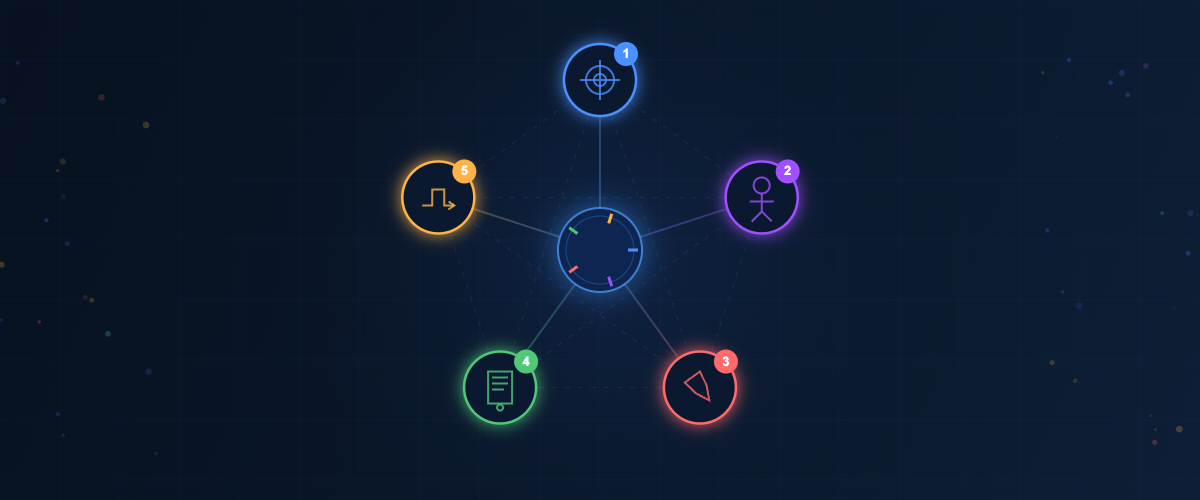
Whether you’ve been vibe coding your way through a prototype or starting from scratch, the same five questions determine whether your custom software concept is ready for a serious build – or whether it needs more refinement first.
1. Is the problem real enough that people will change their behaviour to solve it?
Not “is this a problem?” – most ideas address a genuine problem. The sharper question is whether the problem is painful enough that your target users will actually change how they work to adopt your solution. Behaviour change is the hardest thing to achieve in digital products. If your custom software requires users to do something fundamentally different from what they do today, the bar for the value it delivers is extremely high.
The only way to answer this honestly is to speak to real people – not friends who’ll be supportive, but actual potential users who’ll be candid. Ask them to walk you through their current workflow. Find out what the actual friction costs them. Then ask whether they’d switch. You’ll learn more in ten conversations than in ten weeks of vibe coding features that solve the wrong problem.
2. Who is your primary user – and what does their actual workflow look like today?
The more specifically you can describe this, the better your custom software will be. Not demographics – actual behaviour. Consider: what tools are already in their daily workflow? What would it take to get your bespoke digital product into that workflow instead of alongside it? What does “done” look like to them at the end of a day?
In New Zealand, vibe coding has made it easier to test ideas quickly – but market sizes are smaller than in larger economies. Niche clarity matters even more here – you can’t afford to build for everyone. The custom software products that succeed in the NZ market usually do one thing remarkably well for a specific group of people, rather than doing many things adequately for anyone.
3. What does your solution do better than anything your user could vibe code themselves?
This is the question that the 2026 software market demands you answer clearly. Because increasingly, your competition isn’t just other software vendors – it’s your own users, armed with AI tools, deciding whether to build something themselves. Your custom software needs to deliver genuine value over and above what a technically capable non-developer could spin up in a weekend.
That differentiator might be deep system integrations, enterprise-grade security, complex workflow automation, or simply a level of UX polish that AI-generated interfaces rarely achieve. But it needs to exist, and it needs to be something your users genuinely care about.
4. Have you stress-tested your concept beyond what vibe coding can validate?
A vibe-coded prototype tests whether the idea looks viable. It does not test whether the architecture is sound, whether the data model will hold up under real usage, or whether the user experience actually works for people who aren’t already familiar with the concept. Those tests require structured user research, proper wireframing, and at least a round of testing with people who’ve never seen the product before.
Every round of proper validation before build saves multiple rounds of expensive rework after it. This is one of the most consistent patterns we see in custom software development – the projects that launch well are almost always the ones that did the hard thinking before the first serious line of production code was written.
5. Do you have a clear picture of how this grows – technically and commercially?
Building the custom software is only part of the investment. Getting it in front of the right users, retaining them, and scaling the product as demand grows – these shape every architectural decision made during development. A bespoke digital product built to serve fifty users looks very different technically from one built to serve five thousand.
If your answer to “what does growth look like?” is still vague, that’s important information. It means the product vision isn’t yet clear enough to build confidently – and that clarity is worth pursuing before a development partner starts the clock.
The MVP Trap – and Why Vibe Coding Makes It Worse
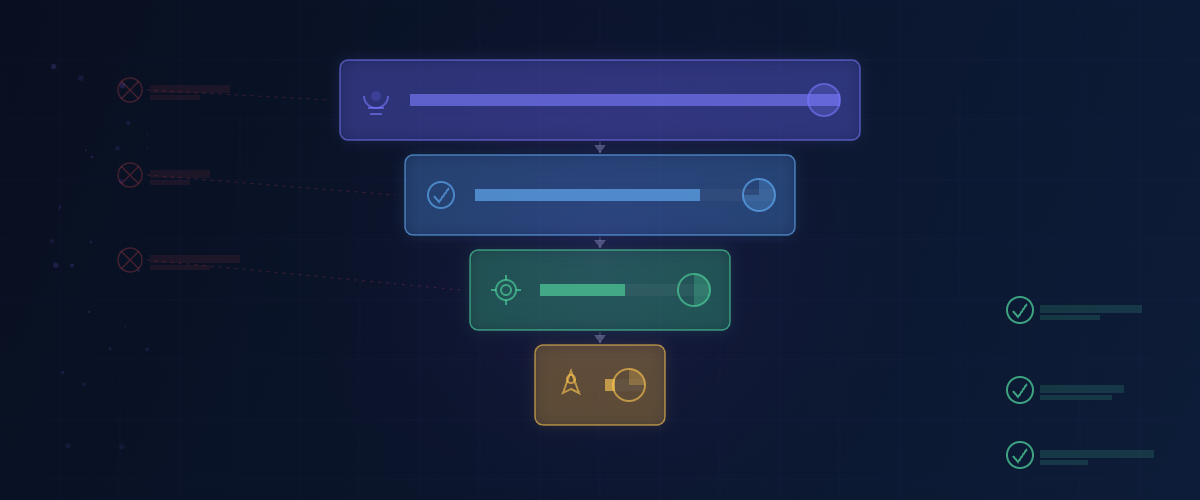
The MVP (Minimum Viable Product) concept has always been tricky to execute well in New Zealand. Vibe coding has made it both easier and harder. Easier, because you can build a convincing prototype in days. Harder, because a convincing prototype can create false confidence – it looks like an MVP, but it’s actually a demo with no solid foundation underneath it.
The classic trap of building too little still exists: a vibe-coded prototype so stripped back that users can’t experience the actual value proposition. They bounce, the business concludes the concept doesn’t work, and a genuinely good idea gets shelved prematurely.
But there’s a newer trap that vibe coding has amplified: building too much of the wrong thing. Because generating code is now cheap and fast, scope creep happens before validation does. Business owners keep adding features because it’s easy – and by the time real users see the product, it’s carrying months of assumptions that haven’t been tested. Pivoting becomes painful. This is a pattern we see frequently across New Zealand, where vibe coding has accelerated the build phase without always accelerating the thinking phase.
The right MVP for custom software in 2026 uses vibe coding for the cheap, fast, throwaway parts – the early prototyping, the concept testing, the UX experimentation. Then it transitions to proper engineering for the parts that need to last. Knowing where that line is, and how to cross it cleanly, is exactly the kind of expertise Moa Creative brings to the projects we take on.
How AI and Vibe Coding Fit Into a Professional Build in 2026
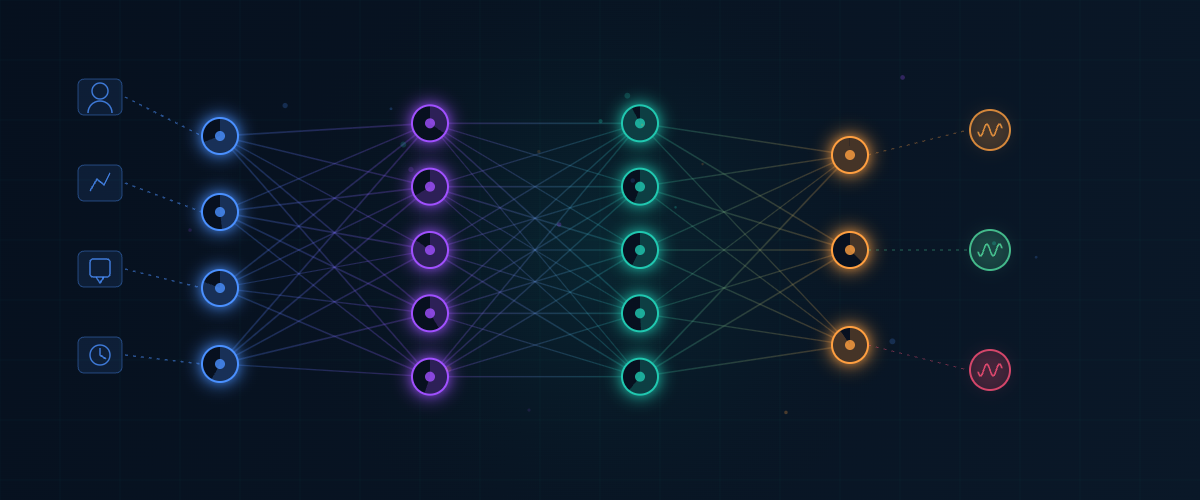
We want to be clear about something: we’re not anti-AI, and we’re not anti-vibe coding. Quite the opposite. At Moa Creative, we use AI tools throughout our development process – for rapid prototyping, for generating boilerplate, for accelerating the parts of a build that don’t require deep architectural thought. Used well, these tools genuinely compress timelines and reduce cost.
What changes in a professional build isn’t whether AI is involved – it’s the layer of engineering judgement that sits over the top of it. AI tools generate code. Engineers decide whether that code is correct, secure, maintainable, and appropriate for the specific context. That layer of expertise is what vibe coding, by definition, lacks.
For NZ businesses building custom software in 2026, the practical opportunity looks like this: use vibe coding to validate fast and cheap. Get something in front of users quickly. Test assumptions before they become expensive architectural decisions. Then, when the concept is proven and the requirements are clear, bring in a professional development partner to build the version that will actually run your business.
What AI and vibe coding can’t replace is the strategic thinking about what to build, why to build it, and how to build it so it lasts. That thinking is the most valuable thing a development partner like Moa Creative brings – and it’s most effective when it happens before the production build begins, not during it.
A Practical Checklist: Is Your Vibe Coding Project Ready for a Professional Build in New Zealand?
Whether you’ve arrived here through vibe coding a prototype or through more traditional discovery work, this checklist will tell you honestly whether your custom software concept is ready for a serious build – or whether there’s more foundation work to do first.
- I’ve spoken to at least 10 real potential users and documented what I heard – not what I hoped to hear.
- I can describe the core problem my custom software solves in one clear sentence.
- I know what my bespoke digital product does better than a user could vibe code themselves.
- I’ve tested a prototype or wireframe with at least five people who weren’t involved in building it.
- I know what success looks like at 30, 60, and 90 days post-launch – in concrete terms.
- I have a realistic plan for getting my custom software in front of the first 50 users.
- My MVP scope covers the minimum that still demonstrates genuine value – nothing more.
- I’ve identified the key system integrations required and confirmed they’re technically feasible.
- I’ve had an experienced development partner review the concept and give honest technical feedback.
When You’re Ready, Build With Confidence
The vibe coding era has made it genuinely easier to start. That’s a good thing. Ideas get tested faster. Concepts get validated sooner. Increasingly, NZ businesses are building custom software that would never have been feasible a few years ago.
But starting is different from shipping. Shipping is different from scaling. And scaling a bespoke digital product – the kind that runs reliably, handles growth, integrates cleanly with the rest of your business, and doesn’t require heroic effort to maintain – is still very much a professional engineering challenge.
At Moa Creative, we meet clients at every stage of this journey. Some come to us with a clear brief and budget, ready to build. Others come with a vibe-coded prototype that needs architecture, rigour, and a plan. Others come with nothing more than a clear problem and a strong conviction that there’s a better way to solve it.
What all of them have in common is that they’re serious about building something that lasts – and that takes more than vibes. It takes validation, clear thinking, and a development partner who understands both the modern AI-assisted world and the engineering fundamentals that haven’t changed.
If you’re at the stage where you have an idea, a prototype, or a half-built product and you’re wondering what comes next – that’s exactly the conversation we’re built for.
Frequently Asked Questions: Vibe Coding, Custom Software, and Professional Development in New Zealand
What is vibe coding and why does it matter for NZ businesses?
Vibe coding refers to the practice of using AI-assisted tools – such as GitHub Copilot, Cursor, Claude, or similar – to generate software code through natural language prompts, often without deep programming expertise. For NZ businesses, it represents a genuine opportunity to validate custom software concepts quickly and cheaply. The limitation is that vibe-coded products typically lack the architectural rigour, security standards, and maintainability required for production-grade software. Working with a professional development partner like Moa Creative allows businesses to take what vibe coding starts and build it into something that actually scales. For NZ businesses, vibe coding in New Zealand has become a common first step in custom software development.
What is custom software (custom software) and do I need it?
custom software – custom software or bespoke digital product – is software built specifically to fit your business’s unique workflows, data, and requirements, rather than off-the-shelf tools that approximate what you need. You likely need it when existing platforms can’t connect your systems the way you need, when your processes are unique enough that generic tools create more friction than they solve, or when you’re building a digital product for customers or users. Moa Creative specialises in building production-ready custom software for NZ businesses across industries including hospitality, construction, professional services, and SaaS. When vibe coding in New Zealand reaches its ceiling, custom software built with professional oversight is the natural next step.
How much does it cost to go from a vibe-coded prototype to production software in New Zealand?
The cost of turning a vibe-coded prototype into production-ready custom software depends significantly on scope, complexity, required integrations, and the quality of the prototype’s foundations. In New Zealand, vibe coding projects that grow into a full build are increasingly common. A well-scoped engagement with a reputable development agency typically starts from $30,000 – $80,000 for an MVP-level build. The most important first step is a proper technical assessment of what exists, what needs to be rebuilt, and what a realistic path to production looks like. Moa Creative offers scoping engagements to provide exactly this clarity before committing to a full build.
Can I validate my custom software idea without hiring a developer first?
Yes – and you probably should. The most effective early-stage validation approaches don’t require production code at all: user interviews, clickable wireframes built in Figma, a landing page describing the concept, or even a vibe-coded prototype for concept testing. The goal is to surface what real users actually need before you invest in building the full solution. Moa Creative can assist with this discovery process, or engage at the point where your concept is proven and the path to build is clear.
What makes Moa Creative different from other NZ software development agencies?
Moa Creative is part of the Putti group – one of New Zealand’s most experienced vibe coding to custom software development organisations, with 16+ years of delivery history and a zero-failure track record across 100+ projects. We combine the deep engineering expertise required for complex, production-grade custom software with genuine understanding of the modern AI-assisted development landscape, including vibe coding. We work exclusively with NZ-based senior engineers – no offshore outsourcing – and we have extensive experience with NZ Privacy Act 2020 compliance. Whether you’re starting from a vibe-coded prototype or a clean brief, we’re built to help you get to something that lasts.
What should I look for when choosing a custom software partner in New Zealand?
Look for a development partner with a proven track record in your industry or technology stack, a stable NZ-based team, transparent scoping processes, and honest communication about what’s feasible within your budget. In 2026, also ask specifically how they work with AI tools – a good agency will be clear and transparent about where AI assists their process and what engineering guardrails ensure quality. Avoid partners who promise “vibe coding at scale” without explaining how they validate AI-generated output. Moa Creative is happy to walk through exactly how we approach this in any initial conversation.